Bach Dang Riverside Hotels: A Digital Nomad's Guide to Ho Chi Minh City I landed at Tan Son Nhat Airport last October, paid 150,000 VND for a ride, and headed straight to the riverfront. After spending six months bouncing between Thailand and Bali, I needed a proper urban base with reliable infrastructure. Ho Chi Minh City delivers an intense, caffeine-fueled energy that you simply do not find on a quiet island. However, picking the wrong neighborhood here means spending half your day stuck in gridlock traffic while inhaling exhaust fumes.
Finding a place near the water changes the entire dynamic of your stay. You get the breezes off the water, immediate access to pedestrian-friendly zones, and a concentration of cafes that actually understand what remote workers need. I spent three weeks testing different accommodations along this specific stretch of road to figure out what actually works for long-term travelers.
Why Base Yourself Near Bach Dang Wharf?
Staying near Bach Dang Wharf places you directly in District 1 Ho Chi Minh City, offering immediate access to the Saigon River and major commercial hubs. It balances scenic views with practical infrastructure for remote workers.
The area around the wharf is the strategic heart of the city. You get the classic Saigon River view without being completely isolated from the local street life. I regularly used the Waterbus transport to escape the downtown chaos; a ticket costs just 15,000 VND and gives you a fantastic breeze and a fresh perspective of the skyline. The proximity to coworking spaces District 1 makes it incredibly efficient for getting work done before the afternoon heat peaks.
Luxury vs Boutique Hotels: Where Should You Spend Your VND?
 Luxury hotels in this area typically cost over $150 per night and offer resort amenities, while boutique options range from $40 to $80 with excellent connectivity. Your choice depends entirely on whether you prioritize high-end facilities or value-for-money accommodation.
Let us look at the actual numbers. I stayed at a classic riverside property for $65 a night, while a friend booked a premium international brand two streets over for $220. The fundamental difference was not the bed comfort, but rather the size of the lobby, the breakfast buffet variety, and the pool access. If you are comparing luxury vs boutique hotels, you have to weigh how much time you actually plan to spend inside the building.
| Accommodation Style | Typical Nightly Rate | Standout Feature | Notable Drawback |
|---|---|---|---|
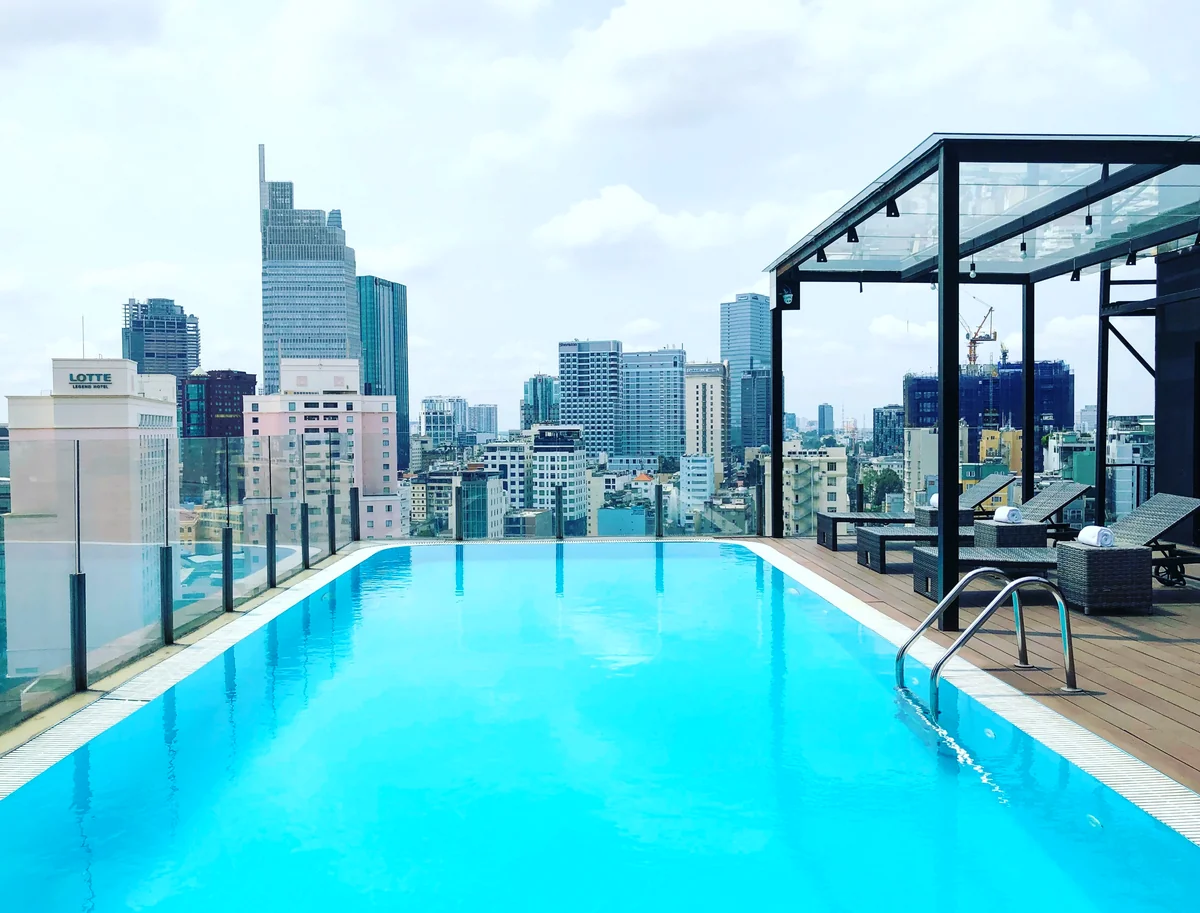
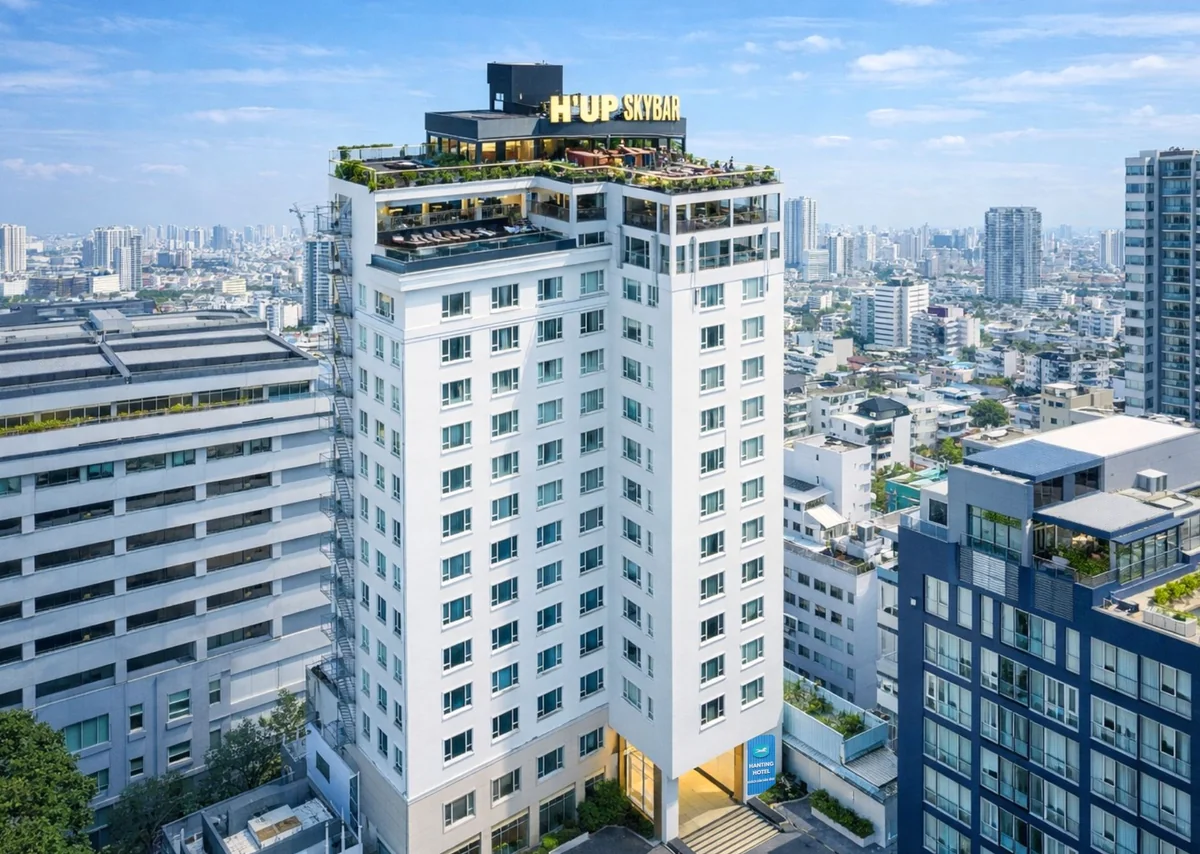
| Premium High-Rise | $150 - $280 | Rooftop infinity pools | Can feel sterile and isolated from local culture |
| Mid-Range Business | $60 - $90 | High-speed fiber optic Wi-Fi | Cheaper rooms often lack external windows |
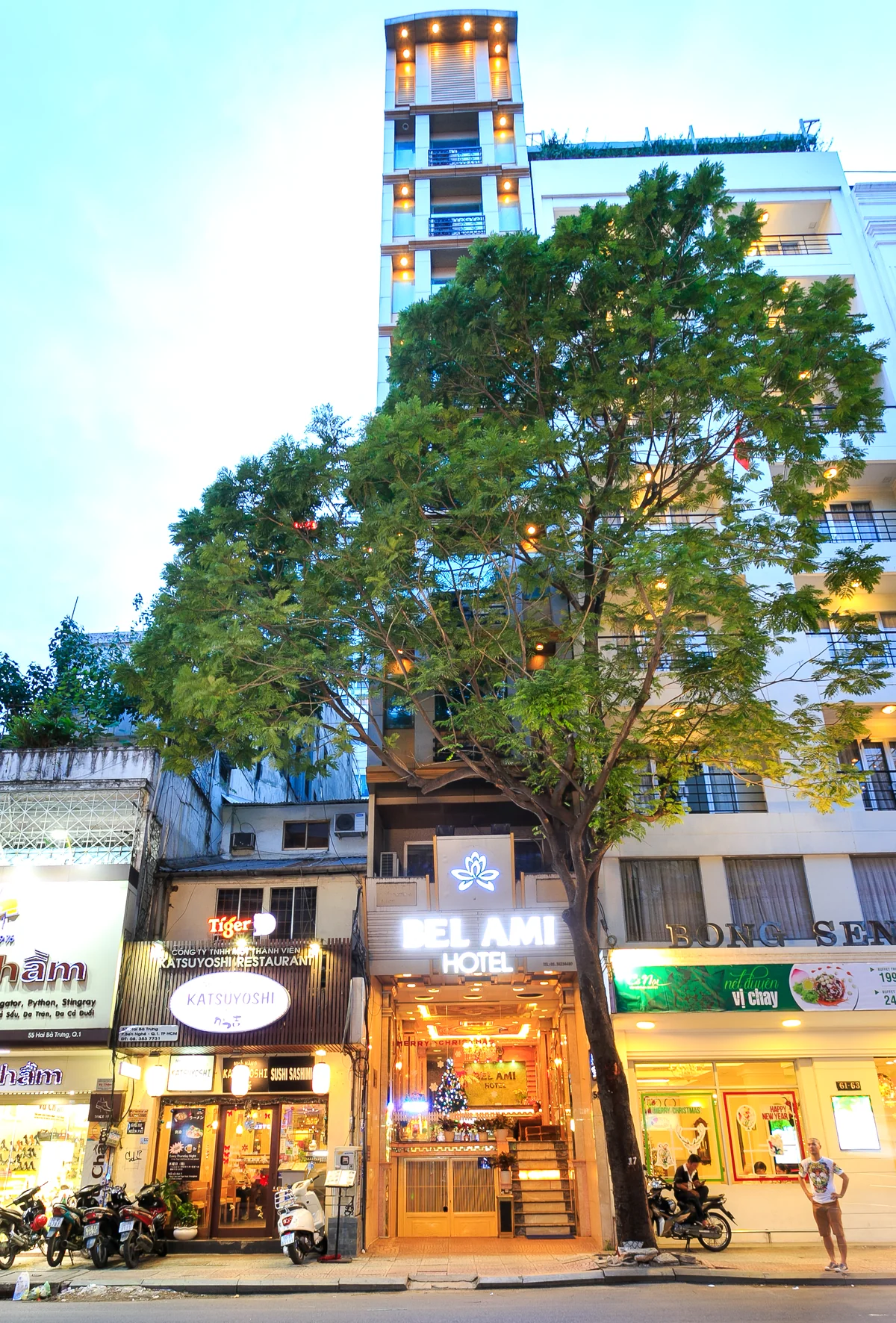
| Nomad Boutique | $35 - $55 | Value-for-money accommodation | Poor soundproofing against street traffic |
Based on listings from Trip.com, the Bach Dang area features over 50 verified properties ranging from budget hostels to five-star international brands, making it one of the most densely packed accommodation zones in the city.
Navigating the HCMC Rainy Season
The rainy season in Ho Chi Minh City runs from May to November, bringing sudden, heavy downpours usually in the late afternoon. Booking a hotel with an on-site cafe or covered access to nearby restaurants becomes crucial during these months.
I learned this the hard way when I got trapped at a riverside dining spot for two hours during a massive August thunderstorm. The streets flood quickly, making walking impossible and ride-hailing apps completely unresponsive. If you are visiting during the HCMC rainy season, prioritizing digital nomad friendly hotels with decent in-house food options will save you from going hungry or getting soaked.
Practical Nomad Logistics: Visas, Connectivity, and Cash
 Setting up your digital nomad base requires sorting out your entry paperwork, getting a reliable local connection, and finding cheap ways to access cash. Handling these logistics strategically can save you significant money over a multi-week stay.
Do not wait until you arrive to figure these out. Here is exactly how I handled the administrative side of living in Vietnam:
- Vietnam E-visa requirements: Always apply through the official government portal. Third-party agencies charge massive markups for the exact same 3-to-5 day processing time.
- Connectivity: For immediate access, Viettel eSIM coverage is excellent across the country. I bought a 15GB plan online for $9. If you prefer a physical card, local SIM card registration requires your physical passport at an official carrier store, not just a random street vendor.
- VND currency exchange: Skip the airport kiosks entirely. Withdraw directly using TPBank fee-free ATMs located around the city center to avoid the standard 50,000 VND withdrawal fee charged by other banks.
- Transport: For your Tan Son Nhat Airport transfer, ignore the taxi touts at arrivals. Grab app pricing is transparent and typically runs between 130,000 and 180,000 VND to the riverside area, depending on traffic.
Exploring Beyond the Laptop Screen
When you log off, the area around the river offers everything from historic architecture to modern retail within a 15-minute walk. The key is timing your excursions to avoid the intense midday heat and rush hour traffic.
The Ben Thanh Market proximity is a nice perk for quick street food, though I much prefer the quieter, air-conditioned cafes near the Opera House HCMC. You can easily walk to Dong Khoi Street shopping areas or check out the observation deck at the Bitexco Financial Tower. At night, Nguyen Hue Walking Street comes alive with street performers and local families. Alternatively, booking Saigon river cruises offers a much cooler breeze in the evening, though the dinner cruise food is generally mediocre compared to what you can find on land.
The Verdict on Southeast Asia Travel Bases
 Compared to hubs in neighboring countries, Ho Chi Minh City offers a more intense but highly productive urban environment for remote workers. The combination of affordable living, fast internet, and rich culture makes it a top-tier destination for long-term stays.
After a year of Southeast Asia travel, I rank this area highly for pure productivity. While Thailand offers better beaches and Bali has the relaxed villa lifestyle, Vietnam delivers raw, unfiltered energy. It is a fantastic hub for backpacking Asia, provided you can handle the noise and the traffic. Finding the right accommodation near the water makes that transition significantly easier.
Frequently Asked Questions
 Q: How reliable is the internet in riverside hotels?
A: Most mid-range and luxury hotels offer fast fiber connections, consistently hitting 80-100 Mbps. However, smaller boutique spots might struggle during peak evening hours, so always have a mobile data hotspot ready as a backup.
Q: Are there noise issues staying near the wharf?
A: Yes, traffic noise from Ton Duc Thang street is significant and constant. Request a room on the 8th floor or higher, or explicitly ask for a room facing away from the main road if you are a light sleeper.
Q: Is it safe to walk around District 1 at night?
A: Generally, yes. The main tourist areas and walking streets are well-lit and busy until midnight. Just be highly mindful of phone snatching by passing motorbikes, which remains the most common petty crime against foreigners.
What has been your experience dealing with the logistics of working remotely in Vietnam? Drop your tips in the comments below.