I paid $45 for a morning at an ethical elephant sanctuary in northern Thailand. A week prior, I saw tourists in Phuket paying nearly double that amount just to sit on an animal's back in the sweltering heat. The discrepancy in pricing and experience across Southeast Asia travel is massive, but it usually comes down to doing your homework before booking.
After spending a year bouncing between digital nomad bases in Thailand, Vietnam, and Bali, I have developed a strict filter for local tours. For anyone backpacking Asia, finding a genuine ethical elephant sanctuary often feels like navigating a minefield of greenwashed marketing. I recently booked the half-day itinerary at Kerchor Elephant Eco Park to see if their animal welfare standards actually hold up to scrutiny. My value for money review is based on paying roughly 1,500 THB for the morning session, which included hotel transfers and a meal. While the close interaction was memorable, there are specific logistical hurdles you need to prepare for, especially regarding the messy mud activities and remote location connectivity.
What to Expect from the Itinerary
The half-day tour typically runs for about four hours, focusing entirely on observation and ground-level interaction. You will spend your time learning about Karen hill tribe culture, preparing food, and participating in a mud spa and bathing session.
Upon arrival, the staff provides you with traditional red clothing to wear over your swimsuit. This is a practical touch that saves your own clothes from permanent mud stains while allowing you to blend in with the mahout experience. The morning starts with an educational briefing about the animals' history before you move on to the main event: elephant feeding bananas and sugarcane. Getting up close to these massive creatures is intimidating at first, but the guides maintain strict safety protocols.
The Reality of the Mud Spa and Bathing
The mud spa and river bathing segment lasts approximately 45 minutes and involves getting completely covered in thick river clay. You will scrub the elephants with mud to protect their skin from insects, followed by a walk to the nearby river to wash it all off.
This is where my first genuine negative comes in. The river water is opaque, and the outdoor shower facilities provided afterward are essentially just cold water pipes with zero privacy. If you are expecting a comfortable rinse, you will be disappointed. Always pack a dry bag and heavy-duty wet wipes. I had to sit in a damp change of clothes and towel for the 45-minute drive back because I could not properly dry off. Additionally, apply only eco-friendly sunscreen before this activity, as standard chemical sunscreens wash off in the river and harm the local ecosystem.
Evaluating Animal Welfare Standards
Kerchor Elephant Eco Park enforces a strict no-riding policy and limits visitor numbers to prevent stressing the herd. The animals are not chained during the visitor hours and are free to walk away if they do not want to interact.
Responsible tourism requires looking past the marketing. During my visit, I watched the guides closely. They used voice commands and food rewards rather than hooks or sticks. The elephants appeared well-fed and lacked the repetitive swaying behaviors often seen in stressed captive animals. Sustainable travel practices are evident here, though it is still a commercial operation relying on tourist dollars to fund the massive food intake required by the herd.
Cost Breakdown and Practical Nomad Tips
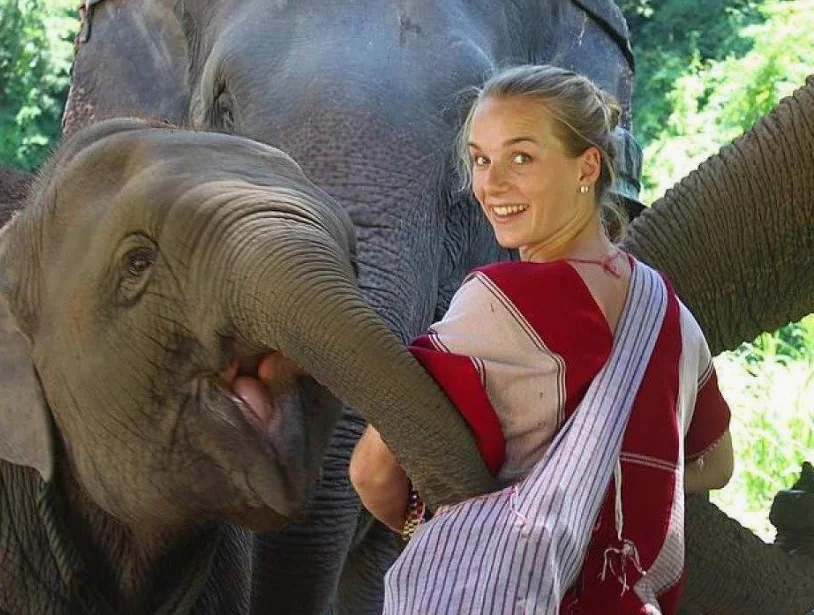
Booking this experience typically costs between 1,500 and 1,800 THB depending on the platform and season. This price generally includes round-trip transportation from the city center, an English-speaking guide, activity materials, and a meal.
When comparing the Klook booking price with local agency rates, I found that booking online a few days in advance offered better security, especially during peak season. However, you must factor in the Thai Baht conversion rates your bank charges. I recommend using a travel card with zero foreign transaction fees.
| Expense Category | Average Cost (THB) | Nomad Insight |
|---|---|---|
| Half-Day Tour Package | 1,500 - 1,800 | Includes pickup from Old City Chiang Mai boundaries. |
| Local SIM Data | 299 (15GB) | Get a local SIM card AIS DTAC. AIS has better jungle coverage. |
| Independent Transport | 800 - 1,200 | If outside pickup zones, Grab taxi vs tuk-tuk costs heavily favor Grab for long distances. |
Navigating Transportation
Transportation is included if you stay within the standard pickup zones, but staying in remote areas requires arranging your own ride. The camp is located about an hour southwest of the city center.
If you are staying in the Nimmanhaemin digital nomad hub, you are well within the free pickup radius. The operators usually send an open-air Songthaew transportation truck. Be warned: the final 15 minutes of the drive involve winding, unpaved mountain roads. If you suffer from motion sickness, take medication beforehand. During my trip, the truck hit several massive potholes that made for a very bumpy ride.
Essential Preparation and Logistics
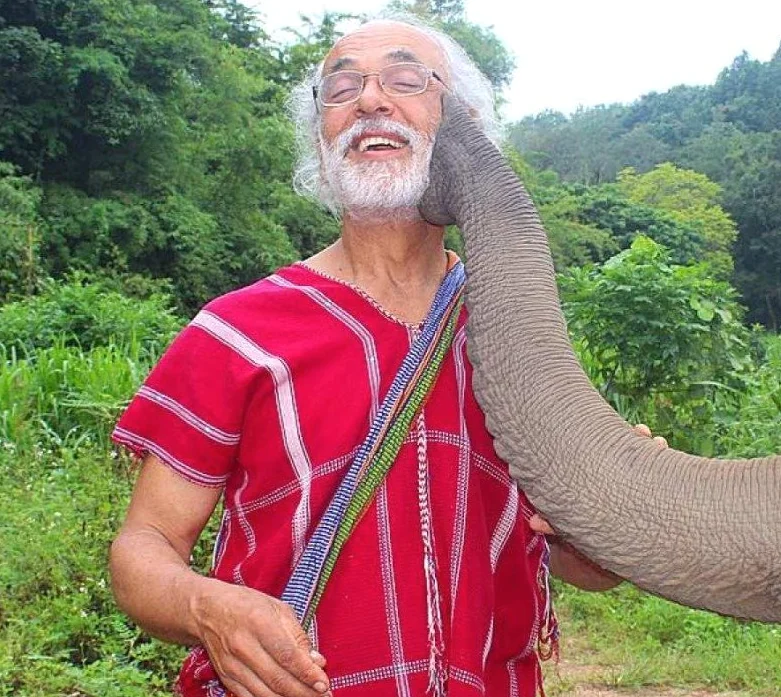
Proper preparation makes the difference between an incredible morning and a highly uncomfortable one. You need to pack strategically for muddy environments and unpredictable weather.
- Footwear: Leave the expensive sneakers at your hotel. Wear strap-on sandals that can handle thick mud and river rocks.
- Weather Gear: Rainy season travel tips apply from June to October. Bring a lightweight poncho; umbrellas are useless when you need both hands to feed the animals.
- Insurance: Always ensure your travel insurance for activities covers animal interactions, as standard policies sometimes exclude this.
Another minor drawback of the tour is the vegetarian buffet lunch provided at the end. While it is a nice inclusion, the spread is incredibly basic—mostly plain rice, stir-fried cabbage, and some fruit. If you are in the second group to reach the buffet line, the better dishes are often gone. Bring some protein bars in your daypack if you get hungry easily.
According to the booking listing, the package covers hotel round-trip transfers, traditional clothing rental, elephant food, and an English-speaking guide [1].
Frequently Asked Questions
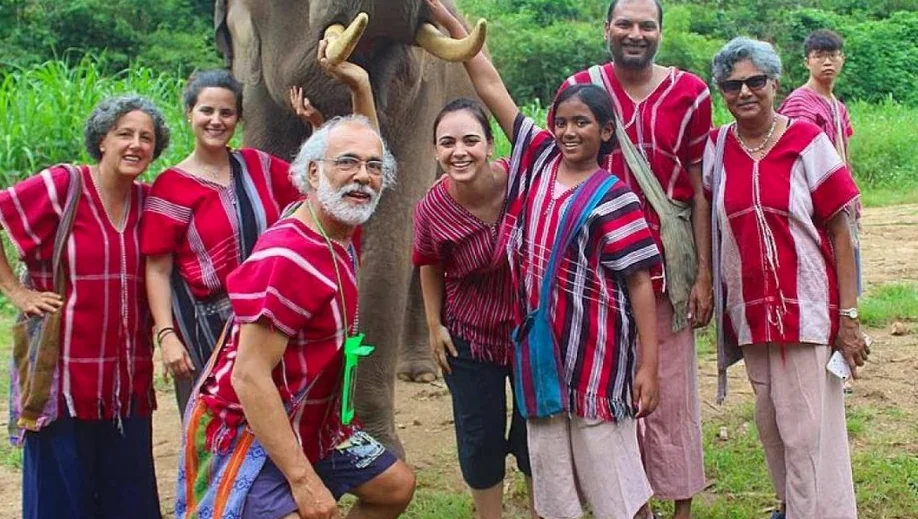
Travelers often have specific logistical questions before committing to Chiang Mai day tours. Here are the most common concerns addressed based on my recent visit.
Q: Is the half-day morning or afternoon session better? A: The morning session is generally cooler and the elephants tend to be more active. Afternoon sessions often face higher chances of heavy downpours during the rainy season. Q: Can I bring my smartphone into the river? A: Only if you have a reliable waterproof pouch with a lanyard. Dropping a phone in the opaque river water means it is gone forever. The staff will help take photos from the dry banks if you ask. Q: Do I need to bring extra cash? A: Yes, bring around 300-500 THB in small bills. You may want to buy a cold drink, leave a tip for your guide, or purchase the professional photos they take during the tour.
Final Thoughts
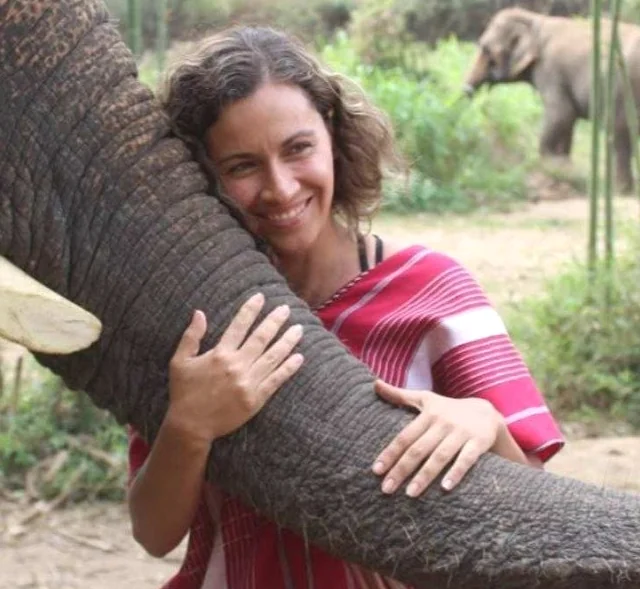
The Kerchor Elephant Eco Park offers a solid balance of ethical interaction and affordability. While the basic lunch and primitive shower facilities require some compromise, the actual time spent with the animals feels respectful and unhurried. If you are building a northern Thailand itinerary, this half-day option leaves your afternoon free to explore the temples or hit a cafe in Nimman. Have you visited an ethical sanctuary in Asia? Share your packing tips or experiences in the comments below.