Elephant Jungle Sanctuary Chiang Mai: My Honest Half-Day Tour Review I paid 1,700 THB for a half-day ethical elephant experience in Northern Thailand. My neighbor at the coworking space paid nearly 3,000 THB for a similar full-day itinerary that ended up being physically exhausting. The difference was not the quality of animal care, but rather understanding tour logistics and personal stamina. After a year of Southeast Asia travel—bouncing between Vietnam, Bali, and Thailand—I have learned that booking wildlife activities requires heavy vetting. The Elephant Jungle Sanctuary Chiang Mai stands out because it enforces strict animal welfare standards, but the reality of the mud, the transport, and the crowds is something you need to prepare for before booking.
What to Expect from Ethical Animal Tourism
Ethical animal tourism in Thailand prioritizes the well-being of rescued animals through a strict no-riding policy. Visitors instead participate in observation, feeding, and bathing activities that mimic the animals' natural behaviors in a protected environment.
When backpacking Asia, you will see countless tour desks advertising elephant camps. Sustainable travel Thailand initiatives have pushed many operators to rebrand as "sanctuaries," but not all hold genuine responsible travel certifications. The Elephant Jungle Sanctuary is one of the established operators that genuinely prohibits riding. You spend your time interacting on the ground, which feels much safer for both you and the animals.
The Mud Spa and Elephant Bathing Reality
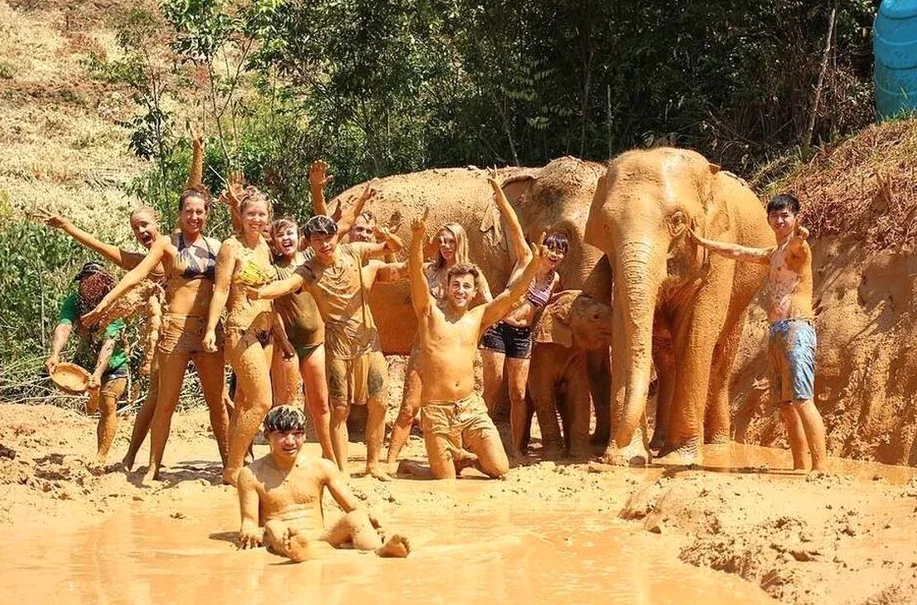
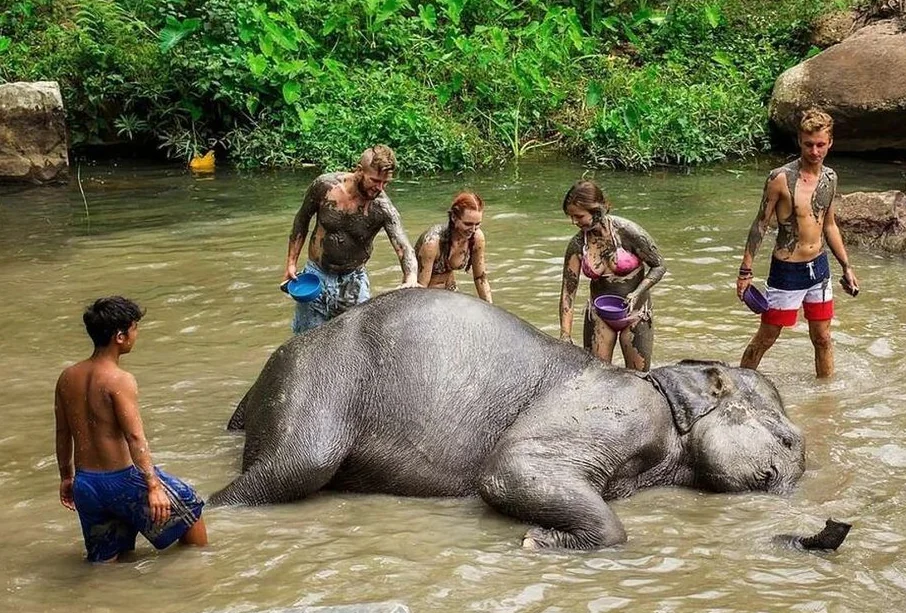
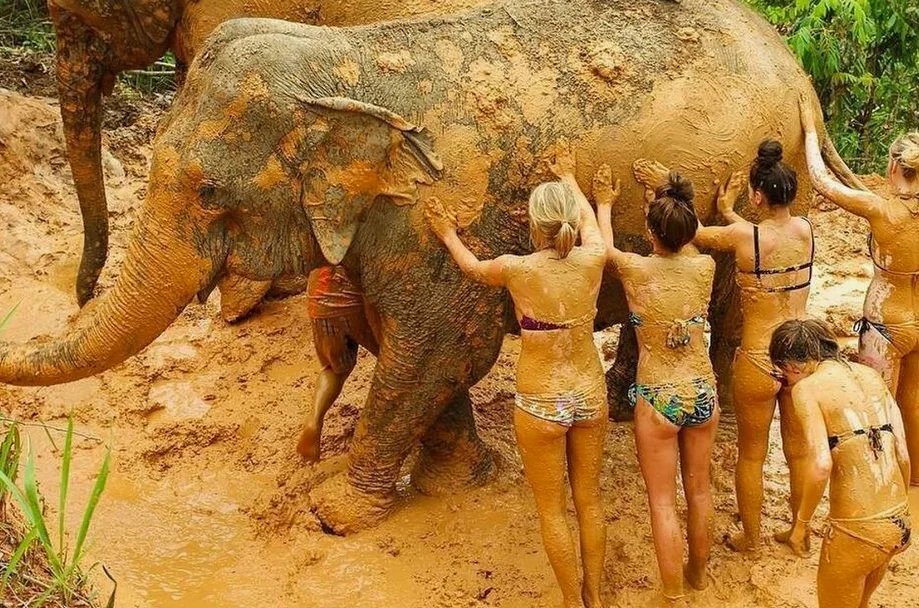
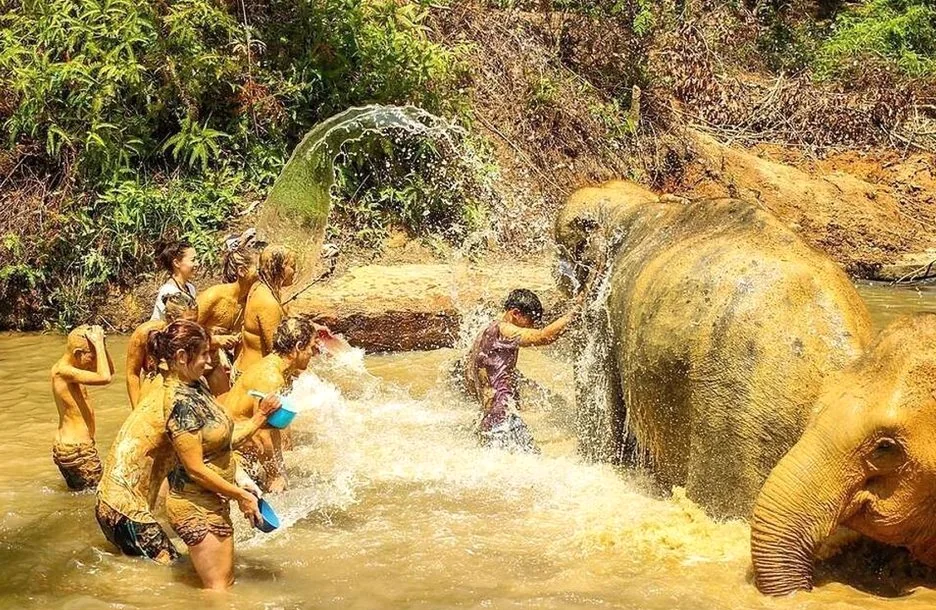
The mud spa and elephant bathing segment involves getting into a shallow river and applying natural mud to the elephants' skin to protect them from insects. It is highly interactive and guarantees you will get completely soaked and dirty.
This is the highlight of the trip, but I need to share a very practical downside: the onsite showers are basic, cold-water only, and offer minimal privacy. Furthermore, the mud will permanently stain light-colored swimwear. I wore an old dark t-shirt and board shorts, which I highly advise. The water in the river is natural and untreated, so if you have open cuts, you should skip the deep water portion to avoid infection.
Elephant Food Preparation (Bananas/Sugarcane)
Preparing food for the elephants involves chopping massive stalks of sugarcane and organizing baskets of bananas. This activity serves as an icebreaker between the tour group and the animals.
Before you get near the water, the guides walk you through a brief Mahout cultural experience. You learn how the caretakers communicate with the animals. Feeding them the bananas and sugarcane is chaotic but incredibly fun. The elephants are gentle but eager; their trunks will search your pockets if they smell hidden fruit. Keep your phone in a waterproof pouch during this phase, as elephant trunks are notoriously wet and dusty.
Tour Logistics: Costs, Transport, and Booking
A half-day tour typically costs around 1,700 THB and includes round-trip transport, drinking water, and a traditional meal. Booking methods and transport types significantly impact your total out-of-pocket expenses and comfort.
When deciding between a half-day vs full-day tour comparison, factor in the heat. By 1 PM, the jungle humidity is intense. The half-day option gave me plenty of interaction time without the afternoon exhaustion.
Klook vs Direct Booking Prices
Booking platforms and direct website prices often fluctuate based on the season. Comparing options ensures you get the standard rate without hidden agency markups.
| Booking Method | Average Price (THB) | Payment Notes |
|---|---|---|
| Direct Website | 1,700 | Requires credit card deposit |
| Third-Party Apps | 1,650 - 1,750 | Often includes easy cancellation [1] |
| Street Agents | 1,500 - 1,800 | Cash only, hard to verify inclusions |
I booked online because I prefer paying with a card that has zero foreign transaction fees. If you pay cash at a street agency, be prepared to haggle.
Navigating Chiang Mai Transport
Tour packages usually include shared transport in a modified pickup truck, which takes about 90 minutes each way from the city center. Private transport is available but costs significantly more.
Most packages include Chiang Mai Old City hotel pickup. You will be riding in the back of a songthaew (a red truck with two benches). The songthaew transportation costs are covered in your ticket, but the ride is bumpy, winding, and lacks air conditioning. If you get motion sickness, take medication 30 minutes before departure. Evaluating group tour vs private transport value, the shared truck is fine for solo travelers or couples, but families with small children might want to hire a private air-conditioned van for an extra 1,500 THB.
Chiang Mai Digital Nomad Essentials
Living and working in Northern Thailand requires specific knowledge regarding local connectivity, banking, and transportation apps. Setting these up correctly upon arrival prevents daily friction and unnecessary fees.
My digital nomad Chiang Mai life is centered around the Nimmanhemin district accommodation, which is packed with cafes. However, getting from Chiang Mai International Airport (CNX) transport to Nimman is best done via app, not the airport taxi stand.
Currency, Visas, and Connectivity
Managing your money and data efficiently is crucial for long-term stays in Thailand. Relying on foreign bank cards without strategy will result in heavy ATM withdrawal fees.
- Connectivity: Comparing AIS vs DTAC SIM card data plans, AIS has better coverage in the jungle areas. A 30-day unlimited 5G plan costs around 300 THB at local malls, avoiding the inflated airport prices.
- Money: Thai ATMs charge a flat 220 THB fee per withdrawal. To minimize this, use Wise (TransferWise) ATM fees strategies by pulling out the maximum 20,000 THB at once. For cash, SuperRich currency exchange tips consistently offer the best Thai Baht (THB) exchange rates in the city.
- Transport: Ditch the tuk-tuks for daily commutes. Bolt vs Grab ride-hailing apps are essential. Bolt is generally 20-30% cheaper than Grab for car rides across the city.
- Bureaucracy: Be aware of the current Thai tourist visa exemption rules. Most Western passports get 30 to 60 days on arrival, but overstaying costs 500 THB per day.
Many travelers report high satisfaction with ethical sanctuaries, noting that observing elephants in their natural habitat is far more rewarding than traditional riding camps. Rainy season vs dry season logistics also dictate your experience. I went in late October. The jungle was lush, but the sudden downpours meant we ate our post-tour Northern Thai cuisine (Khao Soi) huddled under a tin roof. Dry season (February to April) brings the burning season smoke, which is a major factor to consider for respiratory health.
Frequently Asked Questions
Common inquiries regarding the sanctuary tour focus on what to pack, physical requirements, and exact inclusions.
Q: Do I need to bring my own towel?
A: Yes. The sanctuary provides basic shower facilities, but towels are not included. Bring a quick-dry microfiber towel.
Q: Are there vegetarian food options available?
A: Yes, the standard post-tour meal usually includes a vegetarian pad thai or curry, along with fresh fruit.
Q: Is this activity safe for small children?
A: Generally yes, but parents must strictly supervise children. Elephants are large animals that move unpredictably, and the mud areas are very slippery.
Final Thoughts
If you want a genuine wildlife experience without contributing to animal cruelty, the half-day sanctuary tour is a solid investment of your time and money. Just manage your expectations regarding the bumpy transport and the messy reality of bathing massive animals. Wear clothes you don't care about, bring plenty of mosquito repellent, and skip the full-day itineraries unless you have exceptional heat tolerance. What has been your experience with wildlife tours in Southeast Asia?