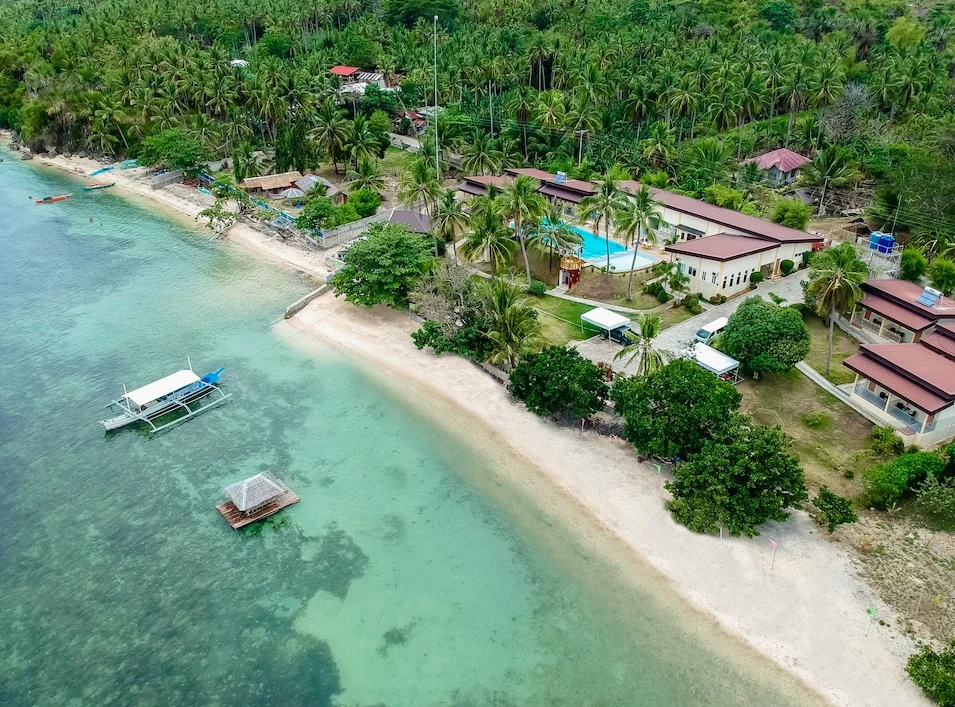
I spent 23 days working from a coastal property in Cebu last month, paying roughly $42 per night. Meanwhile, other remote workers I met were dropping $115 for crowded beachfronts closer to the city center. The difference was not luxury—it was location, timing, and knowing which platform to use. After long-term stays in Thailand, Vietnam, and Bali, I have learned that Southeast Asia travel requires looking past the heavily marketed zones to find actual value. Cebu Province offers excellent marine access if you know where to base yourself, but it also presents unique infrastructure challenges for digital nomads. The property opens up to emerald waters and white sand, offering immediate beach access that balances cost-efficiency with genuine relaxation. This breakdown covers the actual costs, connectivity realities, and logistical hurdles of staying at Moabog Reef Resort.
Arrival and Transport to the Resort
Reaching the resort requires a 3-hour journey from the main airport, costing anywhere from 300 to 2,100 PHP depending on your transport method. Planning your arrival carefully avoids inflated tourist taxi rates and unnecessary transit delays.
Navigating Mactan-Cebu Airport Logistics
Entry into the Philippines requires filling out the eTravel QR code within 72 hours before departure. Most western passports receive Visa-free entry 30 days upon arrival at immigration.
Never pay a third-party site for the eTravel QR code; the official government portal is completely free. Upon landing at Mactan-Cebu International Airport, you will notice tourist SIMs are heavily marked up. I usually bypass the airport kiosks and buy a basic load at a convenience store downtown instead. Choosing between Globe vs Smart SIM cards depends on your specific destination, but I found Smart slightly more reliable along the coastal highways. Before leaving the terminal, download the Grab Philippines app if you haven't already, as regular airport taxis often refuse to use the meter for foreigners.
- Avoid airport currency exchanges; withdraw small cash amounts from the terminal ATMs instead.
- Take a white metered taxi rather than the yellow airport taxis for a cheaper ride into the city.
- Buy a small water bottle before the long transit south, as traffic can be unpredictable.
Getting to the Coastal Property
The cheapest route involves taking a public bus from the city center, which takes about 4 hours and costs under 300 PHP. Private transfers are faster but significantly more expensive for solo travelers.
Grab drivers will rarely accept a fare all the way down the coast because they cannot guarantee a return trip. Instead, I took a taxi to the Cebu South Bus Terminal. The air-conditioned Ceres buses run frequently and are surprisingly comfortable. If you are arriving from a neighboring island like Bohol, the OceanJet ferry will drop you at Pier 1, which is only a short ride from the bus terminal. For the final stretch from the main highway to the resort's entrance, you will likely need to hire a Habal-habal motorcycle taxi. Negotiate the fare before getting on—it should not exceed 50 PHP for a short 10-minute ride.
Room Rates and Connectivity Analysis
Standard rooms typically range from [1] $35 to $55 per night depending on the season and booking platform. Reliable internet requires a backup plan due to regional infrastructure limits.
Managing Booking Costs
Securing the best rate means booking during shoulder months and watching out for hidden platform charges. Off-peak room rates drop by nearly 40% compared to holiday weeks.
I booked my stay during the transition into the Dry season Philippines, avoiding the unpredictable Tropical cyclone season which often causes ferry cancellations and power outages. When comparing prices, always check the final checkout page for Trip.com booking fees, as taxes and service charges can add 15% to the initial displayed price. While backpacking Asia usually means staying in $10 hostels, this resort is priced well for mid-tier budgets wanting private space. The downside is the isolation; you are far from major supermarkets.
Many remote workers commonly mention that the property offers excellent ocean access, but the isolated location means you are mostly dependent on the resort's restaurant for daily meals.
Internet Reliability for Remote Work
The resort's basic Wi-Fi struggles with video calls during peak evening hours. Serious remote workers need cellular backups or satellite internet access to maintain productivity.
Cebu is heavily promoted as a Southeast Asia digital nomad hub, but the infrastructure outside the city center is still developing. During my stay, a brief rainstorm knocked out the local grid for three hours. Fortunately, Starlink internet availability is becoming more common in the region, though you should not expect it in every budget room. My workaround was tethering to my phone during outages.
-
Purchase a local SIM with at least 20GB of non-expiring data.
-
Keep your devices fully charged during the day in case of evening power blips.
-
Download heavy files overnight when network congestion is lowest.
Diving and Daily Living Costs
Daily expenses outside of accommodation average around $18 to $25 if eating locally. Marine activities carry additional environmental fees but remain highly affordable compared to western standards.
Accessing the Marine Sanctuary
Snorkeling and diving right off the property requires a small municipal fee of 150 PHP per day. The area is known for clear waters and accessible coral walls.
The Moabog Reef marine sanctuary is located just offshore, making it incredibly convenient. You do not need to book expensive Island hopping tours to see turtles or vibrant corals. Snorkeling gear rental is available at the front desk for about 200 PHP, but the masks are often scratched, so I highly recommend bringing your own. If you want to go deeper, getting your PADI scuba certification nearby costs about 30% less than doing it in Bali or Phuket. Just remember to pay the daily Marine conservation fee, which directly supports the local reef protection patrols.
Food and Financial Logistics
Managing money efficiently requires minimizing ATM usage and utilizing local digital payment systems. Cash remains absolutely essential for small vendors and transport.
The Philippine Peso (PHP) is a cash-heavy currency in rural areas. The biggest shock for new travelers is the ATM withdrawal fees—local banks charge a brutal 250 PHP per transaction for foreign cards, and the maximum withdrawal limit is often just 10,000 PHP. I recommend pulling the maximum amount while still in the city. To avoid carrying thick stacks of cash, I set up a GCash mobile wallet, which many local vendors accept via QR code. Eating outside the resort at a Local carinderia pricing is incredibly cheap, with a plate of rice and adobo costing around 85 PHP. Finally, ensure your Travel insurance coverage includes scooter accidents and water sports, as local clinics require upfront payment for any treatments.
Moabog Reef Resort is not a polished, five-star enclave, and it should not be treated as one. It works best for travelers who want quiet reef access and do not mind occasional power blips or limited dining options. Have you found a better spot for remote work in the Visayas? Share your preferred base in the comments.