Siem Reap Boutique Hotel Review: My 2026 Practical Guide to Long-Term Stays I paid $42 a night for a central Siem Reap boutique room with a rooftop pool, while a fellow traveler dropped $85 for a similar setup 3 kilometers out of town. The difference was not the quality of the bed; it was simply knowing which neighborhood to target. After spending the last year bouncing between Thailand, Vietnam, and Bali, I have learned that Southeast Asia travel rewards those who prioritize location efficiency over massive resort footprints. Backpacking Asia as a digital nomad is rarely about finding the absolute cheapest hostel anymore. It is about calculating the total cost of daily friction, including transport, internet reliability, and food access. During my recent stay at the Cheathata CTS Hotel, I documented exactly how this property handles the practical realities of remote work, daily transport, and temple hopping in 2026.
Arriving in Cambodia: Visas, ATMs, and Airport Transfers
Landing at the newly relocated Siem Reap-Angkor International Airport (SAI) requires a 45-kilometer commute to the city center, costing roughly $35 by official taxi. Managing your entry requirements and initial cash withdrawal efficiently at this stage sets the tone for your entire travel budget.
Let us talk logistics first. The Visa on arrival cost is $30, but I strongly suggest handling the Cambodia E-visa requirements online three days beforehand to skip the 40-minute immigration queue. Once you clear customs, avoid the airport currency exchange booths. Instead, use a legitimate ATM, but be aware that ABA Bank ATM withdrawal fees hit $5 per transaction for foreign debit cards. Withdraw your maximum limit in US dollars, as the USD vs Cambodian Riel exchange rate is practically fixed at 4,000 Riel to $1 locally, and both currencies are used interchangeably on the street. One major perk of my booking was the complimentary airport transfer option, though you must confirm if your specific tier covers the new, further airport or just the local bus stations.
Cheathata CTS Hotel: A Digital Nomad's Honest Review
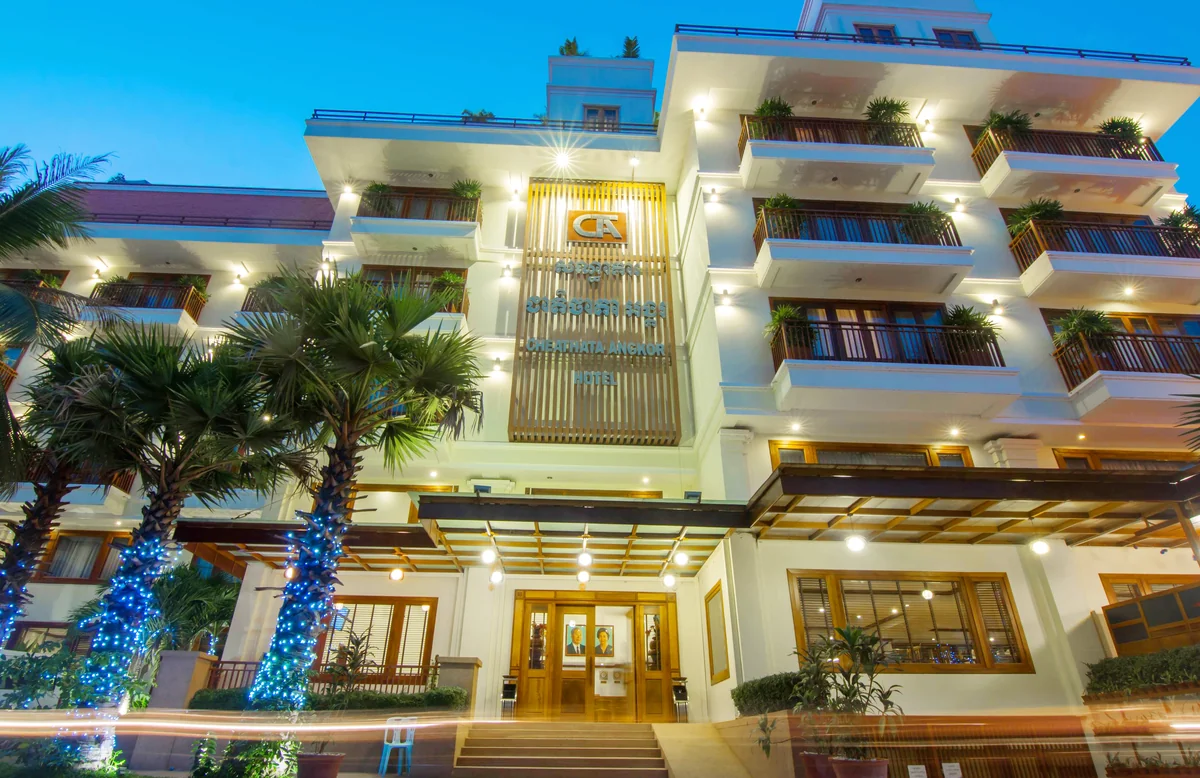
The Cheathata CTS Hotel delivers solid boutique hotel value-for-money, blending traditional aesthetics with modern remote work necessities. While the rooms are comfortable, the real highlight is the practical infrastructure designed for long-term stays.
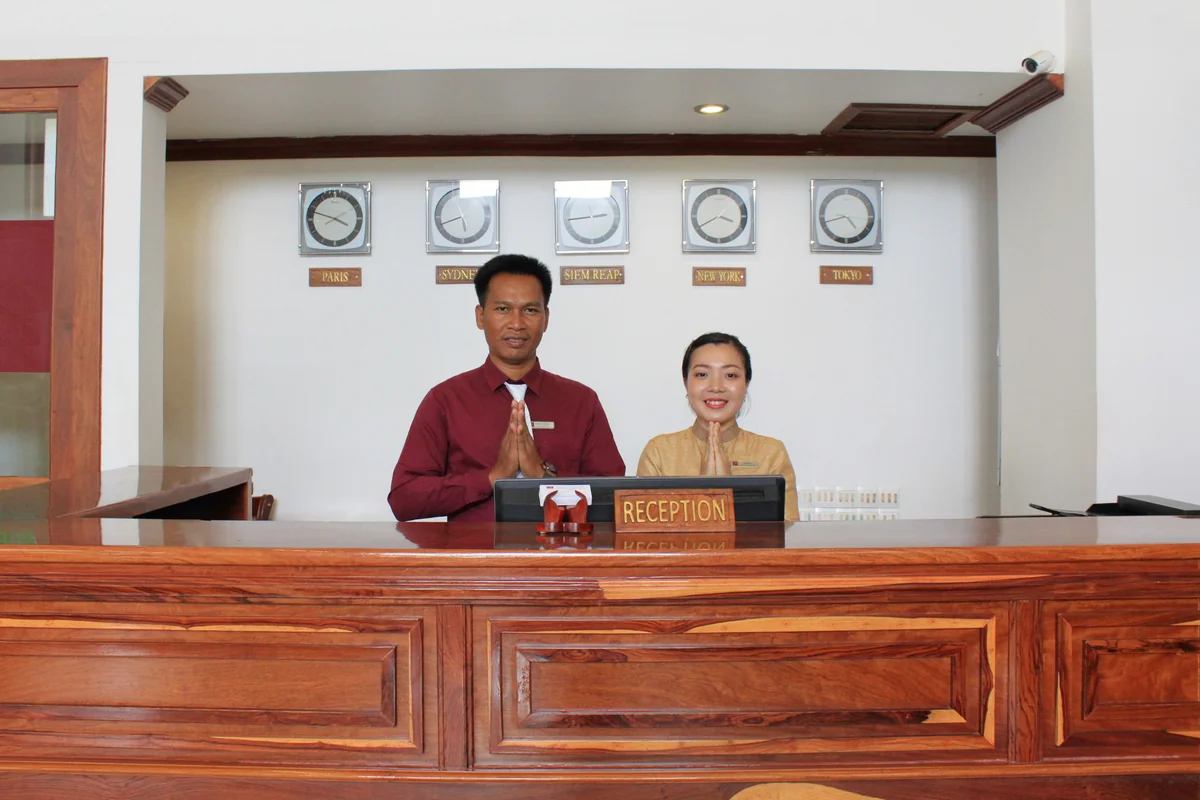
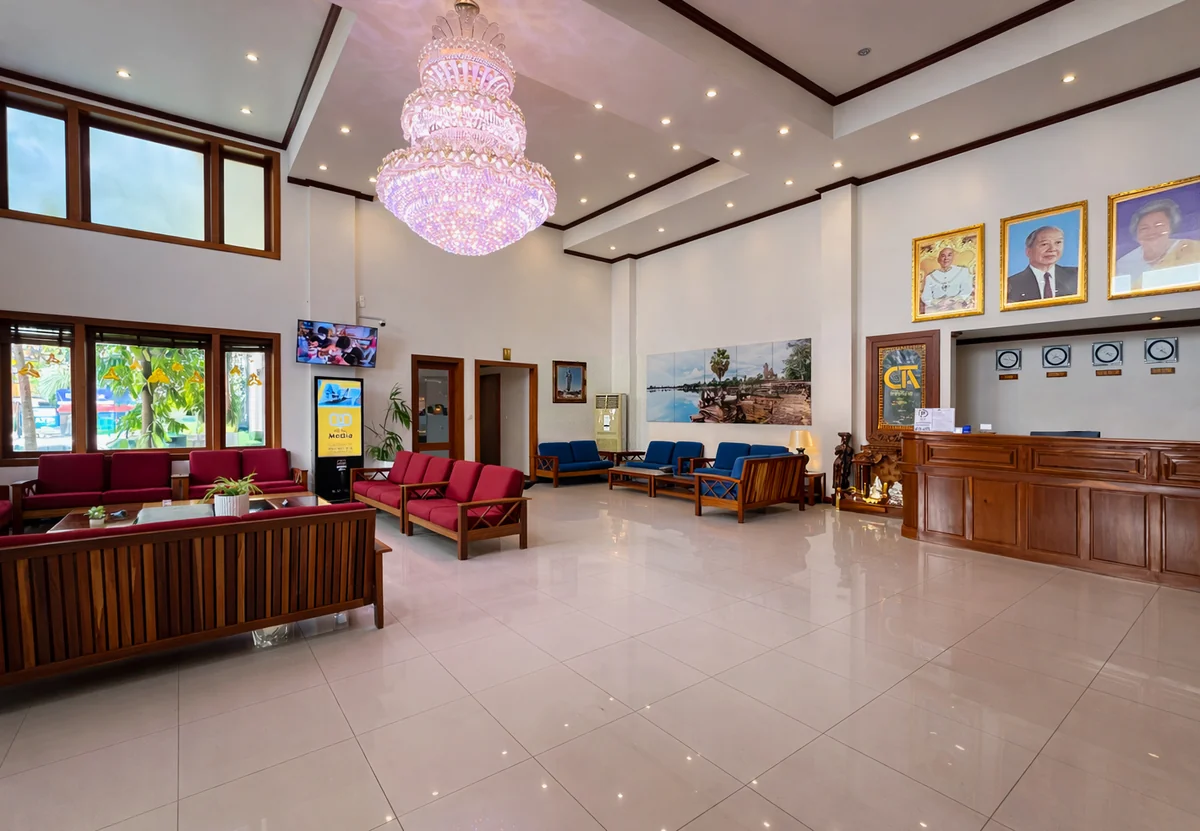
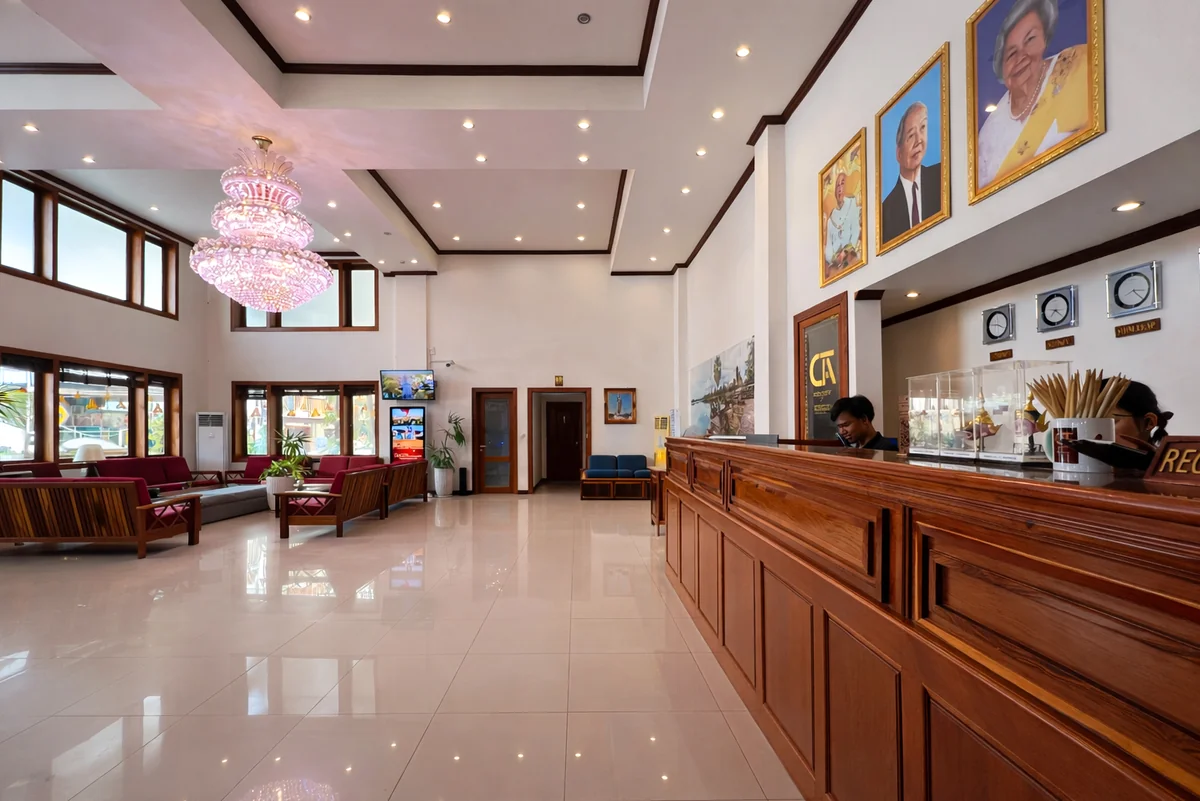
Walking into the lobby, you are greeted by striking wooden desks, a large chandelier, and red sofas that give off a classic, slightly retro vibe. The illuminated modern exterior makes the building easy to spot after dark, and the welcoming staff at the reception offer a cold towel immediately upon arrival. According to [1], this property is described as a:
"4-star retreat in Siem Reap"
I found the digital nomad Wi-Fi reliability to be surprisingly good. It consistently clocked in at 45 Mbps in my room, which meant I did not immediately need to hunt down Siem Reap coworking spaces. The rooftop pool amenities are a lifesaver after a 35°C afternoon exploring ruins. However, the water temperature can get uncomfortably warm by 4 PM due to direct sun exposure, so I recommend morning swims instead. If you are staying more than a week, ask the front desk directly about long-term stay discounts; I managed to negotiate a lower rate for my extended days.
Here are the practical benefits I noted during my stay:
- High walkability to major downtown landmarks without needing transport
- Free parking and complimentary train/bus station pickup services
- Diverse breakfast options featuring both Western and Asian dishes
Location and Walkability Score
This hotel earns a near-perfect hotel walkability score due to its immediate proximity to the main tourist arteries. You are positioned exactly where you need to be for evening dining, meaning zero dollars spent on nighttime transit.
The Pub Street proximity is the double-edged sword here. You are less than a 4-minute walk from the chaos, which is fantastic for evening meals. The downside? You will hear faint bass thumping on weekends if your room faces the main street. I highly recommend requesting a back-facing room if you are a light sleeper. The Old Market (Psar Chaa) and the Angkor Night Market are practically next door, making it incredibly easy to grab cheap, authentic dinners without planning ahead.
Connectivity and Living Costs
Getting around town is remarkably cheap if you use local ride-hailing applications instead of hailing drivers off the street. Setting up a local data plan immediately upon arrival is crucial for booking these rides efficiently.
Do not rely solely on hotel Wi-Fi when you step outside. I bought a Smart Axiata local SIM card in town for $6, which provided 15GB of data—significantly cheaper than the airport kiosks. With data secured, you can utilize Grab app availability or local alternatives. PassApp tuk-tuk rates are generally 30% cheaper than Grab for short trips, usually costing around 4,000 Riel for a standard 2-kilometer ride across the river.
Exploring the UNESCO World Heritage Site and Beyond
Touring the ancient temples demands an early start and a clear agreement with your driver regarding the itinerary. Booking transportation through your hotel often provides more accountability than hiring a random driver off the street.
You cannot visit Siem Reap without doing the standard Angkor Wat sunrise tour. It is a UNESCO World Heritage Site for a reason, and the sheer scale is staggering. I paid $20 for a dedicated tuk-tuk driver to cover the small circuit. Leave your hotel by 4:30 AM. By 9 AM, the heat is brutal, and the crowds become unmanageable. After a long day of temple hopping, booking a Khmer traditional massage is essentially mandatory for physical recovery; expect to pay around $12 for an hour locally. For your off-days, Tonle Sap Lake excursions are popular, but verify the water levels first. During the peak dry season, the lake recedes significantly, resulting in a muddy and somewhat underwhelming boat ride.
Food Safety and Low Season Strategy
Eating locally and traveling off-peak are the best ways to stretch your budget in Cambodia. However, these strategies require strict adherence to food hygiene and robust medical coverage.
I always target low season travel deals between September and November, when accommodation rates frequently drop by up to 40%. The trade-off is navigating brief but heavy afternoon rain showers. Regarding meals, Cambodian street food safety is generally good if you follow the golden rule: only eat where locals are queuing, and ensure the food is cooked to order over high heat. Even with precautions, comprehensive travel insurance for Cambodia is non-negotiable. A minor stomach bug can require a local clinic visit costing upwards of $150 out of pocket.
Accommodation Comparison: Cheathata vs. Alternatives
Evaluating boutique stays against standard budget options highlights the hidden value of included services. Paying a slightly higher base rate often results in lower total daily expenditures.
Here is how the costs and features break down based on my recent stays in the immediate area.
| Feature Category | Cheathata CTS Experience | Typical Budget Alternative |
|---|---|---|
| Downtown Access | 3-minute walk to center | 15 minutes by paid Tuk-Tuk |
| Arrival Logistics | Free station pickup included | $5-$10 per ride required |
| Remote Workspace | In-room desk & stable Wi-Fi | Lobby area only |
Frequently Asked Questions
Common inquiries about staying at this property usually revolve around pet policies and transportation services. Here are the specific operational details enforced by the property management.
Q: Are pets allowed at the property?A: No, pets are not permitted on the premises. You will need to make alternative boarding arrangements for your animals before arriving.
Q: Is there an airport pickup service available?A: Yes, airport transfer is available for an additional fee, while train and bus station pickup is provided free of charge for guests.
Siem Reap is far more than just a quick transit hub for ancient temples; it is a highly viable base for remote workers if you choose your neighborhood wisely. By locking down a central location, handling your visa digitally, and using local ride-hailing apps, you can easily maintain a high quality of life without draining your travel funds. If you have navigated the new international airport recently, share your transport tips in the comments below.